“Car Meet” Clampdown and Implications For Those Involved
Why Police Are Clamping Down and The Crimes Committed
Car meets have become increasingly visible across the UK, bringing together enthusiasts interested in performance, modified and specialist vehicles.
Attending a car meet is not automatically a criminal offence, but when gatherings involve dangerous driving, racing, excessive noise or antisocial behaviour, drivers can face consequences ranging from warnings and vehicle seizure to prosecution and disqualification.
Why Are Car Meets So Popular?
Car culture has existed for generations, but social media has made organising large gatherings considerably easier.
For many enthusiasts, meets provide an opportunity to see unusual or modified vehicles, meet other owners and share an interest in cars. Most of that activity is perfectly lawful.
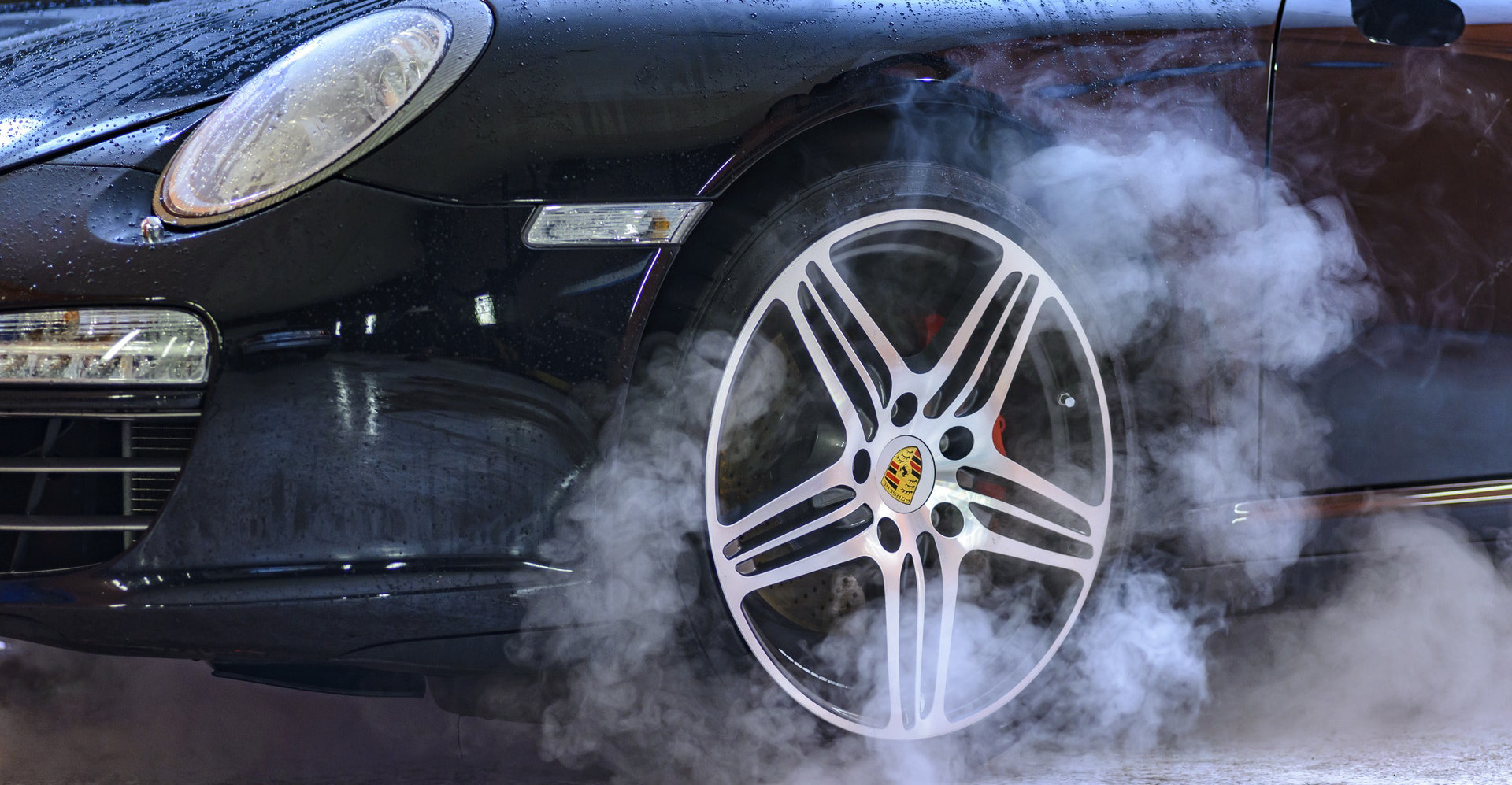
Problems can develop when large numbers of vehicles arrive unexpectedly in one location or when some participants move beyond displaying their cars and begin using public roads for racing, drifting, burnouts or other potentially dangerous manoeuvres.
At that point, what began as a social gathering can quickly become a police enforcement operation.
Is Attending an Unauthorised Car Meet Illegal?
Describing a gathering as an “unauthorised car meet” does not necessarily mean that every person attending it is committing an offence simply by being there.
The legal position depends upon where the gathering takes place, any restrictions or orders in force and, importantly, the behaviour of those involved.
Police may intervene where gatherings cause significant antisocial behaviour, obstruction or danger to other road users and local residents.
Individual drivers can then potentially face action for specific motoring or public order offences arising from their conduct.
Dangerous and Careless Driving at Car Meets
Some of the most serious consequences arise where driving itself falls below the standards required by law.
Dangerous driving involves driving that falls far below the standard expected of a competent and careful driver where it would be obvious that the manner of driving is dangerous. Careless driving involves driving below that expected standard.
High-speed racing on public roads, deliberately losing traction, driving into areas occupied by spectators or performing dangerous manoeuvres may result in an investigation.
A dangerous driving conviction can lead to imprisonment, disqualification and an extended driving test before a licence can be regained.
Racing and Competitive Driving on Public Roads
Public roads are not racetracks, regardless of whether traffic appears quiet or spectators have gathered specifically to watch.
Drivers participating in spontaneous races can potentially expose themselves to serious motoring allegations. The consequences become substantially greater if somebody is injured or killed.
Police investigations may use dashcam footage, CCTV, mobile phone videos and footage uploaded to social media to establish what occurred and identify vehicles or drivers.
What Is a Section 59 Warning?
One enforcement power frequently associated with car meets is Section 59 of the Police Reform Act 2002.
It can apply where a motor vehicle is being used in a manner involving certain road traffic offences and is also causing, or likely to cause, alarm, distress or annoyance to members of the public.
Police can issue a warning and, where the relevant statutory conditions are subsequently met, may have powers to seize the vehicle.
This means conduct sometimes dismissed as “showing off” can potentially end with a driver losing possession of their car, at least temporarily, as well as facing separate action for any underlying driving offence.
Vehicle Modifications Can Create Separate Legal Problems
Modified vehicles are not inherently illegal either, but modifications must comply with road traffic legislation.
Issues can arise involving excessively noisy exhausts, illegal number plates, tyres, lighting, window tints and modifications affecting the roadworthiness of a vehicle.
Insurance is another important consideration. Failing to disclose relevant modifications to an insurer can create serious difficulties with cover, while driving without valid insurance carries separate legal consequences.
Social Media Can Become Evidence
The same platforms that make modern car meets possible can also provide evidence afterwards.
Videos showing number plates, drivers, vehicle movements and potentially dangerous manoeuvres can be examined by police. Material uploaded by spectators or participants may therefore become part of a subsequent investigation.
Deleting a video after an incident does not necessarily mean that copies no longer exist elsewhere.
Cheshire Police Warning Ahead of the Bank Holiday
Cheshire Police has warned motorists about reports of a potential unauthorised gathering along the A34 corridor between Wilmslow and Alderley Edge over the Bank Holiday weekend.
Police say previous activity in the area has resulted in vehicles being seized, motorists being stopped, Section 59 warnings being issued and dispersal and penalty notices being used.
Officers have indicated that both uniformed and plain-clothes policing will be deployed in response to any gathering this weekend.
Enjoying Car Culture Without Crossing the Legal Line
There is an important distinction between enjoying cars and driving illegally.
A responsible car meet can provide enthusiasts with an opportunity to share that interest without causing problems for other road users or local communities. The criminal consequences arise when individual behaviour crosses the line into dangerous driving, antisocial vehicle use or other offences.
Anyone accused of a motoring offence following a car meet should obtain legal advice before making assumptions about the seriousness of the allegation. Driving offences can affect not only someone’s licence but also their employment, insurance and, in the most serious cases, their liberty.
Morton’s Solicitors can provide advice and representation to motorists facing investigation or prosecution for road traffic offences, including allegations arising from car meets and other organised motoring events.
How We Can Help.
If you have any questions relating to legal representation for any criminal offence or criminal investigations as the result of a car meet – then don’t hesitate to call us now on 0161 477 1121 or email us.