
Clampdown on E-Bikes – All You Need To Know.
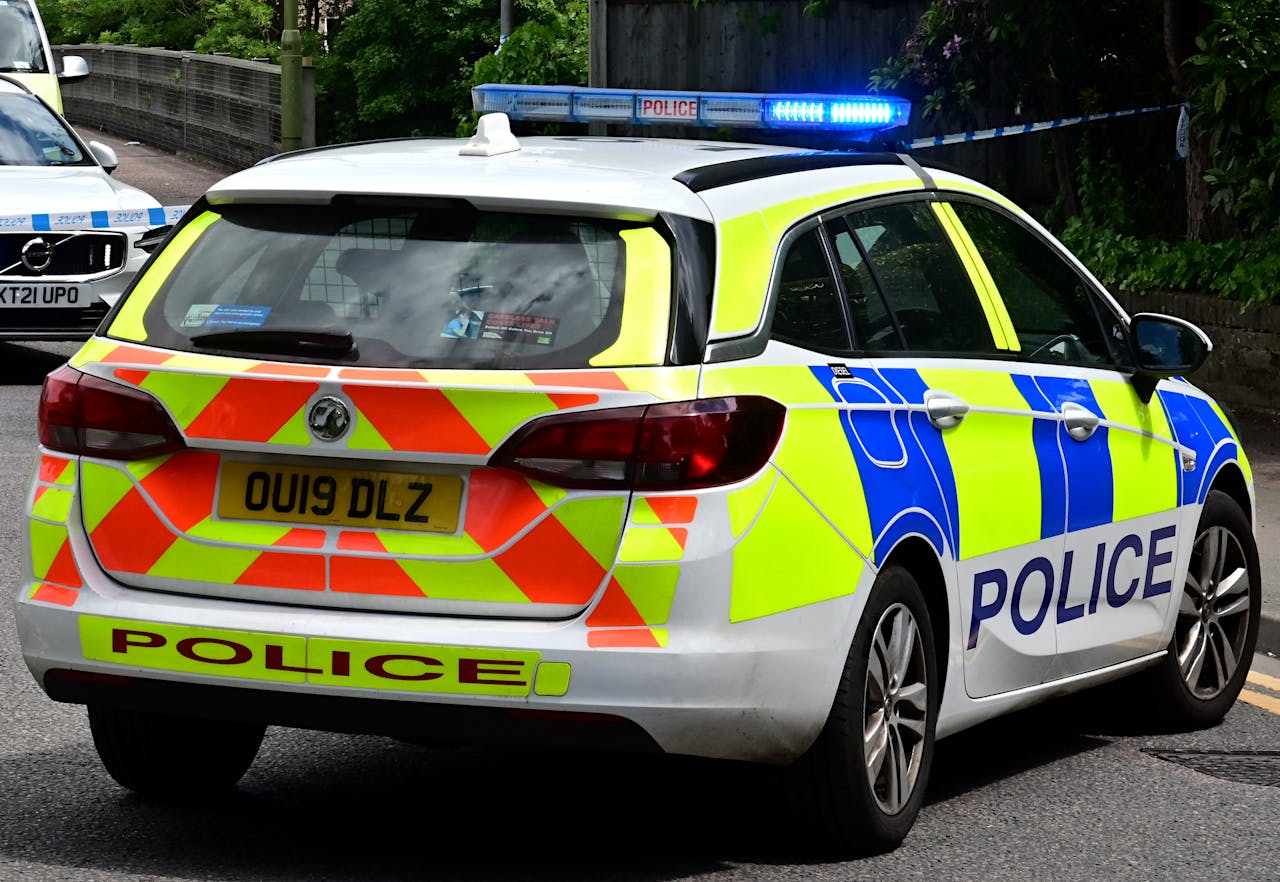
E-Bikes, E-Scooters and the Law – What Can You Legally Ride on UK Roads?
A Metropolitan Police operation targeting offenders using e-bikes and mopeds has resulted in 187 arrests and 157 vehicles being seized. But with increasingly powerful electric bikes and scooters appearing on UK streets, what is actually legal to ride – and when does an electric bike become a motor vehicle?
Met Police Targets E-Bike and Moped Crime
The Metropolitan Police has been carrying out targeted operations in Westminster and other parts of London aimed at prolific offenders using powered bikes and mopeds.
Between February and July, 187 people were arrested and 157 vehicles seized, with arrests involving allegations including robbery, theft, drugs and possession of dangerous weapons.
The Met says e-bike-related crime fell by 22% during the operation in key transport and tourist areas of Southwark and Lambeth.
While the operation concerns wider criminality, it also highlights an increasingly important distinction: not everything commonly described as an “e-bike” is legally treated as a bicycle.
What Is a Legal E-Bike in the UK?
Most conventional electric bicycles used on UK roads are classed as electrically assisted pedal cycles, or EAPCs.
Broadly, an EAPC must have pedals capable of propelling it, its electric motor must have a maximum continuous rated power output of 250 watts, and electrical assistance must cut off when the bike reaches 15.5mph.
A compliant EAPC can generally be ridden like an ordinary bicycle without a driving licence, registration, vehicle tax or motor insurance. Riders must normally be at least 14 years old.
When Does an E-Bike Become a Motor Vehicle?
Problems can arise with modified or high-powered electric bikes capable of substantially greater speeds or power outputs.
If a machine does not satisfy the requirements for an EAPC, it may legally be treated as a motorcycle or moped rather than a bicycle.
That can introduce requirements involving registration, insurance, an appropriate driving licence, an approved helmet and compliance with construction and use rules.
Riding such a vehicle on a public road without satisfying those requirements can potentially result in prosecution and the vehicle being seized.
Are Private E-Scooters Legal on UK Roads?
Private e-scooters create another common area of confusion.
Although they can legally be purchased and used on private land with the landowner’s permission, privately owned e-scooters cannot generally be ridden on public roads, cycle lanes or pavements.
Different provisions apply to authorised rental e-scooters operating within government-approved schemes.
Someone illegally riding a private e-scooter on a road can potentially face motoring offences, including offences relating to insurance and licensing. Penalty points and fines may follow, while police also have powers to seize vehicles in appropriate circumstances.
Using an E-Bike to Commit Another Crime
The fact that an offence involves an e-bike does not fundamentally change offences such as theft, robbery or drug supply. What these vehicles can change is how offences are committed and how police respond.
Fast and highly manoeuvrable powered bikes have been associated with offences including mobile phone theft, allowing offenders to approach victims and leave an area quickly.
The Met has responded by expanding its own fleet of high-powered electric motorcycles, enabling specially equipped officers to pursue suspects using similar vehicles.
Check What You Are Riding Before Taking It Onto the Road
The important distinction is therefore not simply between an e-bike and a conventional bicycle. The specification of the machine can determine how it is treated in law.
A bike that looks broadly similar to a legal EAPC may have been modified or manufactured with considerably greater power and speed capability, potentially changing the legal requirements applying to it.
Anyone investigated for offences involving an e-bike, e-scooter or other powered vehicle should seek legal advice, particularly where allegations concerning driving licences, insurance or vehicle seizure accompany other criminal offences.
How We Can Help.
If you have any questions relating to motoring offences or questions about the use of E-bikes/Scooters – then don’t hesitate to call us now on 0161 477 1121 or email us.