
Could AI Traffic Cameras Be Used To Prosecute Drivers
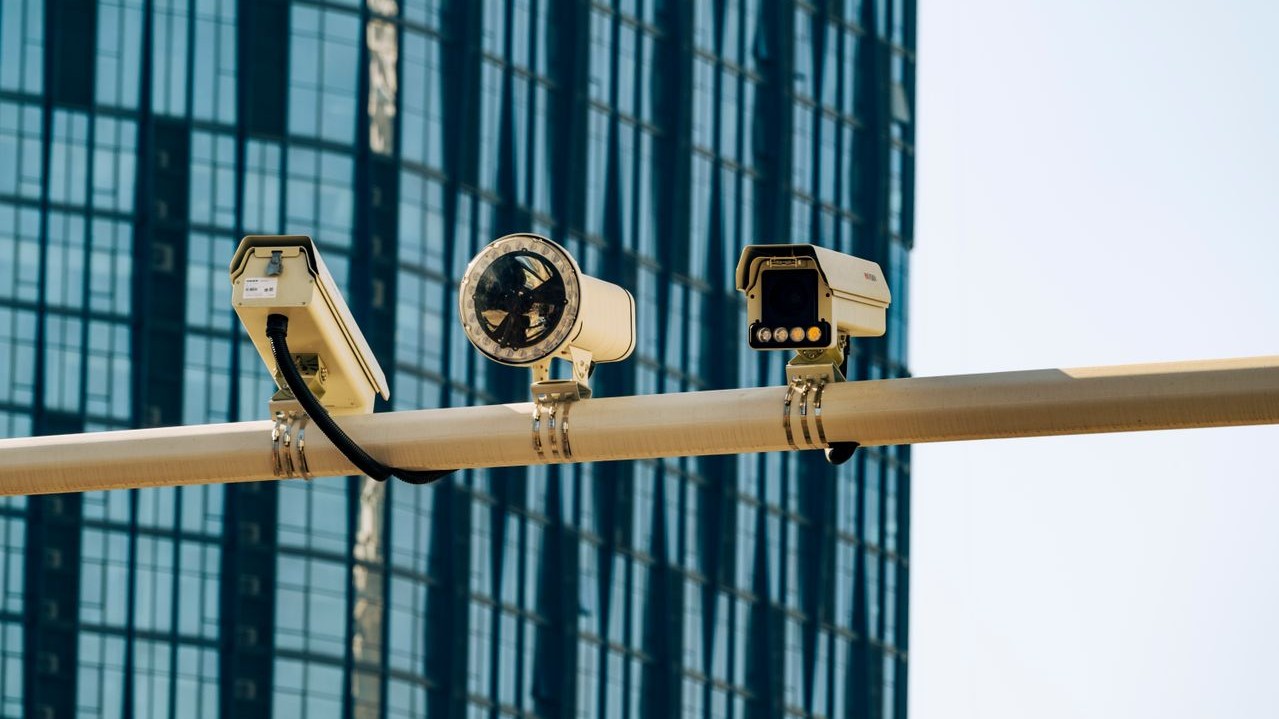
Recent Trial Highlights 19,000 Violations of Traffic Laws Prompting Suggestions for Wider Use of AI Traffic Cameras
A road safety trial in the West Midlands has identified almost 19,000 potential driving offences in just two weeks using artificial intelligence. The findings raise important questions about how AI-powered cameras could transform the detection and prosecution of motoring offences, and what safeguards motorists should expect.
AI Cameras Identify Thousands of Potential Driving Offences
According to a Sky News report published on 12 October 2026, AI-powered cameras deployed at two locations in Birmingham and Wolverhampton identified almost 19,000 potential road traffic offences during a two-week trial.
The cameras, positioned outside fire stations in Ladywood and Fallings Park, captured images suggesting drivers and passengers were failing to wear seatbelts or that motorists were using mobile phones while driving.
At Ladywood, the technology identified 11,045 potential seatbelt offences and 1,163 possible mobile phone offences. At Fallings Park, a further 6,030 potential seatbelt offences and 757 possible mobile phone offences were recorded.
Some images reportedly showed particularly dangerous behaviour, including children travelling without appropriate restraints and a driver holding a mobile phone with both hands.
Although no enforcement action was planned following the trial, officials are evaluating whether the technology could be deployed for future police enforcement.
How Can AI Detect Driving Offences?
Traditional roadside cameras are generally associated with detecting speeding or vehicles passing through red traffic lights. AI-assisted camera systems can potentially identify a much wider range of behaviour taking place inside vehicles.
Using high-resolution images and automated analysis, the technology can flag situations suggesting that a driver is holding a mobile phone or that an occupant is not wearing a seatbelt.
Rather than relying entirely on a police officer observing an offence at the roadside, AI can help identify potential breaches across large volumes of images.
That creates an important distinction. The technology may identify behaviour that warrants investigation, but identifying a potential offence is not necessarily the same as establishing that an offence has been committed.
Could AI Camera Evidence Be Used in a Criminal Prosecution?
Potentially, yes.
Photographic and video evidence is already widely used in motoring prosecutions. There is no general rule preventing evidence from being used simply because artificial intelligence helped identify or analyse it.
However, the prosecution must still establish the relevant elements of the alleged offence to the required criminal standard.
For example, a photograph suggesting that somebody was holding a mobile phone may be relevant to an allegation of unlawful phone use while driving. But the prosecution would still need to establish the circumstances necessary for the particular offence.
Similarly, an image appearing to show somebody without a seatbelt would need to be considered alongside the applicable legal requirements, exemptions and evidence identifying the person responsible.
AI detection could therefore become an important source of evidence without replacing the need for proper legal scrutiny.
What Happens if AI Gets It Wrong?
As with any technology, accuracy and reliability are important considerations.
A camera image may be unclear, partially obstructed or open to more than one interpretation. An object could be mistaken for a mobile phone, or a seatbelt may be difficult to distinguish against clothing.
There may also be circumstances in which the behaviour identified does not amount to the offence alleged.
For a prosecution relying on AI-assisted detection, relevant questions could include the quality of the original image, how the system identified the suspected offence, whether the evidence was independently reviewed and whether the equipment was functioning correctly.
Defendants must have a fair opportunity to examine and challenge evidence relied upon against them. Where the reliability of automated analysis is genuinely disputed, its operation and the available supporting material may become important issues.
Could AI Cameras Detect More Than Mobile Phones and Seatbelts?
The wider implications of this technology extend beyond the offences examined in the West Midlands trial.
As image recognition systems develop, there may be opportunities to identify other forms of potentially unlawful driving behaviour, subject to the capabilities of the equipment and the legal framework governing its use.
Future applications could potentially include identifying additional distractions, unsafe behaviour within vehicles or patterns of suspected offending across different locations.
However, the ability of technology to identify behaviour does not automatically provide the police with unlimited powers to collect, retain or use personal information.
Questions about privacy, proportionality, data protection, retention periods and access to recorded images would become increasingly important if such systems were deployed more widely.
Could Automated Enforcement Change How Motoring Offences Are Investigated?
One of the most significant implications is the potential scale of detection.
A police officer conducting roadside enforcement can observe a limited number of vehicles. AI-assisted cameras could potentially analyse substantially more traffic over a similar period.
That may make it possible to identify suspected offences that would previously have gone unnoticed.
It could also lead to greater numbers of motorists receiving notices relating to alleged offences detected through camera technology rather than direct police observation.
But automated detection should not be confused with automatic guilt. The police and prosecution would still need to comply with the applicable legal procedures, identify the relevant offender and establish the allegation through admissible and sufficiently reliable evidence.
What Are the Penalties for Mobile Phone and Seatbelt Offences?
Using a hand-held mobile phone while driving, including in circumstances covered by the relevant regulations when a vehicle is stationary in traffic, can result in a fixed penalty of £200 and six penalty points. More serious consequences may follow where the matter proceeds to court or where the driving itself gives rise to additional offences.
Failing to wear a seatbelt when legally required can result in a fixed penalty, with a potentially higher fine if prosecuted in court. Drivers also have responsibilities concerning appropriate restraints for children travelling in their vehicles.
The precise offence, liability and penalty will depend on the circumstances.
AI-powered enforcement could increase the likelihood of suspected breaches being identified, but it would not remove the need to establish that the legal requirements for an offence have been met.
AI Detection Must Still Be Subject to Due Process
Artificial intelligence may offer considerable benefits for road safety, particularly where it helps identify dangerous behaviour that could otherwise go undetected.
However, the increasing use of automated systems in criminal investigations also reinforces the importance of due process.
Motorists should not be presumed guilty simply because a computer system has flagged an image. Evidence must remain capable of examination, explanation and challenge.
That is particularly important if AI technology becomes more widely integrated into routine police enforcement.
Morton’s Solicitors provides criminal defence advice and representation, including matters involving motoring allegations and disputed evidence.
The West Midlands trial demonstrates how effectively AI may be able to identify suspected road traffic offences on a large scale. The next challenge will be ensuring that, if the technology is used to prosecute motorists, its efficiency is matched by accuracy, accountability and fairness.
How We Can Help.
If you have any questions relating to any motoring offence and would like advice or legal representation – then don’t hesitate to call us now on 0161 477 1121 or email us.