
Recent Report Shows Rail Travel Crime Hotspots
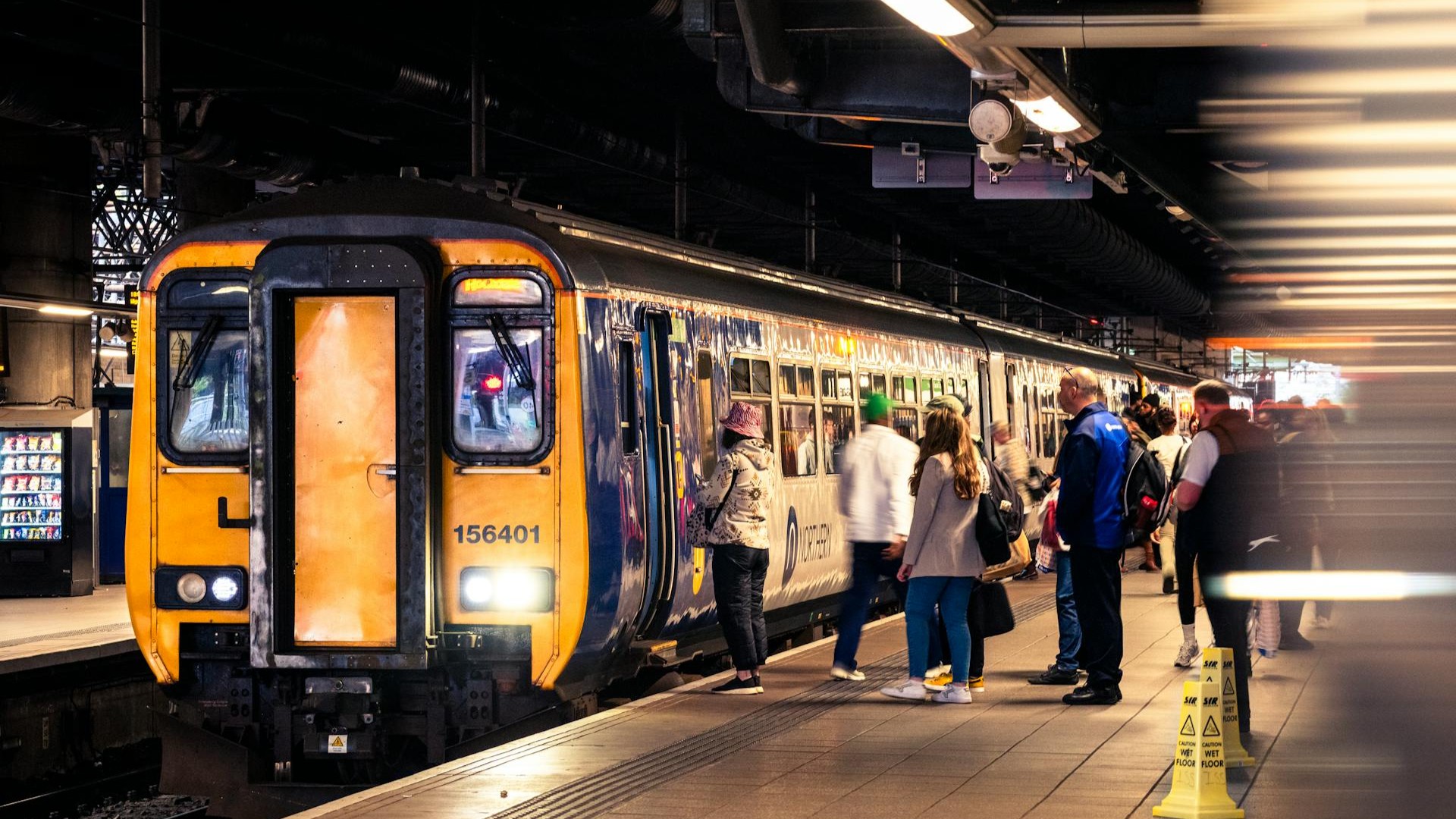
Just How Safe Is It To Travel On Our Railways – And Are Measures Like Facial Recognition Justified?
Yesterday, we looked at British Transport Police launching a six-month trial of Live Facial Recognition technology at London Bridge.
Today, we look at a recent report which shows that the UK’s busiest railway stations have recorded the highest number of offences – prompting renewed debate about safety, surveillance and policing on the rail network.
With more than 1.72 billion passenger journeys made across Great Britain last year, crime figures must be viewed in context.
But as enforcement tools increase – including facial recognition – passengers should understand both the risks and their rights.
Where Are the Highest Crime Figures?
As you might expect, the stations recording the most offences are major transport hubs handling enormous daily footfall.
London Euston recorded 1,536 offences over 12 months. King’s Cross recorded 1,479. London Bridge – now also the site of the facial recognition pilot – recorded 1,074, while St Pancras International recorded 1,035.
Outside London, Birmingham New Street, Manchester Piccadilly, Leeds, Brighton, Liverpool Lime Street, Glasgow Central, Reading and Wolverhampton also recorded significant figures.
However, these totals include all categories of crime – from shoplifting within retail units to public order matters and offences reported on trains but attributed to the final station stop.
Do High Numbers Mean High Risk?
Not necessarily.
British Transport Police report that overall there were 26 crimes recorded per million passenger journeys last year. Many smaller stations recorded very few incidents.
High footfall naturally increases the likelihood of recorded offences.
In addition, reporting campaigns and greater public awareness often mean more incidents are logged, even if overall risk levels remain stable or falling.
This is important context – particularly when new policing tools such as live facial recognition are introduced at high-volume hubs.
Increased Surveillance on the Rail Network
With facial recognition now being trialled in London stations, busy transport hubs are increasingly becoming test environments for advanced policing technologies.
Police argue that tools such as Live Facial Recognition help identify individuals wanted for serious offences and make the railways hostile to dangerous offenders.
However, from a criminal defence perspective, any expansion of surveillance brings key legal considerations.
What We Must Consider
When arrests or charges follow railway operations, defence teams examine:
- Whether stop and search powers were lawfully exercised
- Whether surveillance technology was properly authorised
- Whether any identification procedures complied with legal standards
- The proportionality of police intervention
- Whether evidence gathered was obtained lawfully
Facial recognition alerts, CCTV footage and station-based intelligence are investigative tools – they are not automatic proof of wrongdoing. Any evidence must meet strict legal thresholds before it can be relied upon in court.
Common Offences at Busy Stations
The majority of recorded incidents at large stations involve theft, shoplifting, public order matters and minor assaults.
Serious violent crime remains comparatively rare relative to the volume of daily passengers.
That said, public order offences and allegations of threatening behaviour can escalate quickly in crowded environments – particularly where alcohol is involved or where misunderstandings arise.
In such cases, early legal advice is crucial.
Balancing Safety and Civil Liberties
The introduction of Live Facial Recognition at busy hubs such as London Bridge sits against a backdrop of concentrated crime figures at major stations.
Police view it as a preventative measure. Critics question the privacy implications.
As railway policing evolves, courts will increasingly assess how technology is deployed, how watchlists are compiled and whether interventions remain lawful and proportionate.
For passengers, awareness matters. High crime figures at busy stations do not automatically mean higher personal risk – but they do mean that enforcement and surveillance are more visible.
Rail travel remains one of the safest ways to travel in the UK. But as policing methods modernise, protecting both public safety and individual rights will remain essential.
How We Can Help.
If you are stopped, searched or arrested at a railway station, particularly following CCTV or facial recognition identification, specialist legal advice should be sought immediately. Call us now on 0161 477 1121 or email us.