
Home Secretary Looks to Erode “Corrosive” Reputation of Two-Tier Policing in the UK
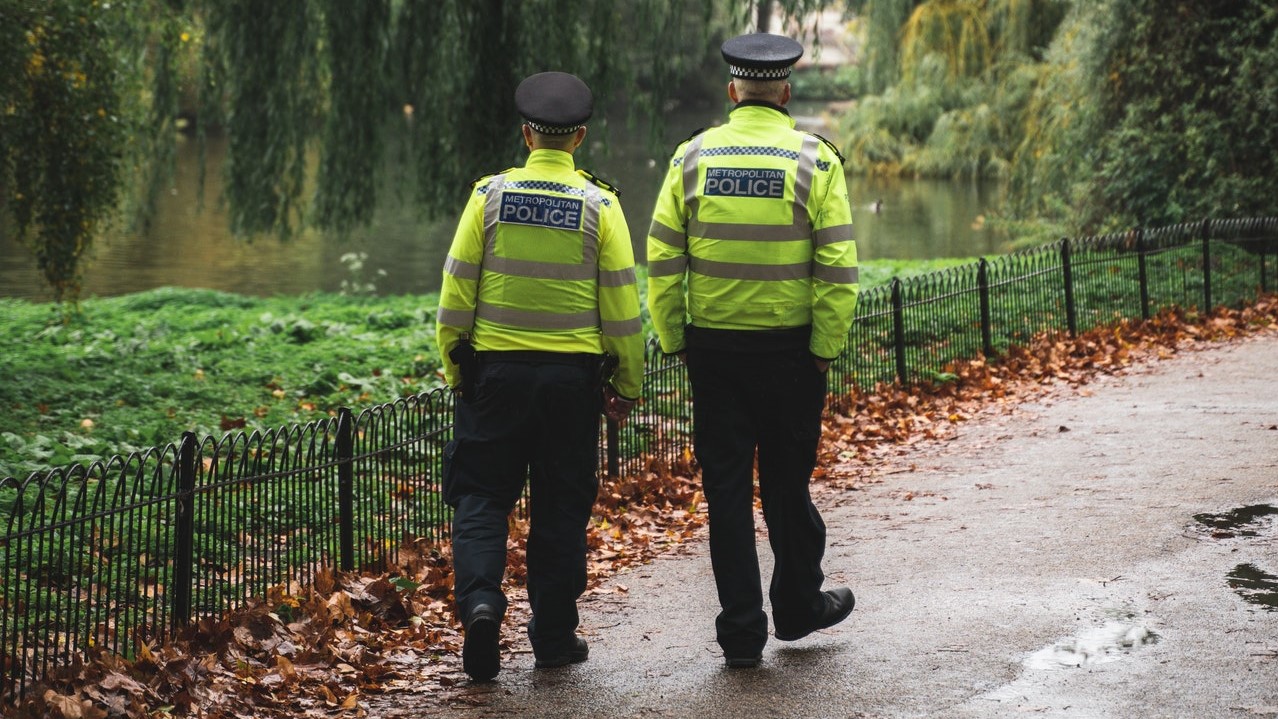
Two-Tier Policing: What Is It and why Police Impartiality matters
The Home Secretary has announced plans to strengthen national guidance on police impartiality amid growing concerns about the perception of two-tier policing. But what does the term actually mean, what does the evidence show and why is public confidence so important to the criminal justice system?
What Is Two-Tier Policing?
Two-tier policing is a term used to describe the belief that police officers apply the law differently depending on an individual’s ethnicity, religion, political views, background or membership of a particular community.
It is not a formal legal definition. Rather, it describes a perceived or alleged inconsistency in the way police powers are exercised.
The term has become increasingly prominent in political and public debate, particularly in relation to the policing of protests, public disorder, racial discrimination and high-profile criminal investigations.
However, differences in police responses do not automatically establish discrimination. The circumstances, evidence, risks and legal powers involved must also be considered.
Why Is the Government Addressing the Perception of Two-Tier Policing?
As reported by BBC News on 17 November 2026, Home Secretary Shabana Mahmood has announced that a new national standard is being developed to reinforce impartiality in policing.
Addressing senior police officers, she acknowledged concerns about declining public confidence while emphasising that the overwhelming majority of officers carry out their duties impartially.
The Home Secretary also warned that attempts to address inequality must not result in unjustified differences in treatment.
The College of Policing is expected to publish new guidance in spring 2027, reinforcing the importance of impartiality alongside fairness and inclusion.
The announcement does not establish that a deliberate system of two-tier policing exists. It does, however, recognise the importance of addressing both genuine inequalities and public perceptions of unfairness.
What Does the Evidence Show About Inequality in Policing?
Official statistics demonstrate that different communities continue to experience police powers at significantly different rates.
Home Office figures for the year ending March 2026 show that Black people were stopped and searched at 4.1 times the rate of White people across England and Wales, based on self-defined ethnicity.
People identifying as Asian or Asian British were searched at 1.6 times the rate of White people.
In Greater Manchester, police recorded 23.5 stop and searches per 1,000 residents, compared with a national rate of 9.5.
These figures demonstrate differences in the use of police powers, but statistical disparities alone cannot establish the reasons behind every individual police decision. Local crime patterns, police deployment, demographics and other factors require consideration.
Nevertheless, such differences deserve scrutiny, particularly where they raise questions about whether police powers are being exercised consistently and proportionately.
What Is the Difference Between Actual and Perceived Police Bias?
Actual bias occurs when prejudice or irrelevant personal characteristics improperly influence a decision. Perceived bias arises when someone believes that a decision has been influenced by such factors, whether or not that belief is ultimately supported by evidence.
Both can have serious consequences for public confidence.
Where actual discrimination occurs, it must be investigated and addressed. Where perceptions of unfairness arise, transparency and clear explanations can help establish whether decisions were justified.
Neither dismissing legitimate concerns nor accepting allegations of bias without examination assists the pursuit of fair and accountable policing.
Does Fair Policing Mean Treating Everyone Exactly the Same?
Not necessarily. Equality before the law means applying consistent legal principles without unlawful discrimination, rather than responding identically to every situation.
For example, a child, a vulnerable adult or someone experiencing a medical emergency may require additional safeguards or a different approach from police officers.
These differences can be entirely lawful and necessary. What matters is whether decisions are justified by relevant circumstances rather than prejudice, political pressure or assumptions about an individual.
The Equality Act 2010, human rights legislation and the Police and Criminal Evidence Act 1984 provide important safeguards governing the exercise of police powers.
Can Police Bias Affect a Criminal Investigation?
Yes. Bias can influence decisions about who is treated as a suspect, which evidence is pursued and how the accounts of victims and witnesses are assessed.
Investigators are required to pursue reasonable lines of enquiry that point both towards and away from a suspect.
Where assumptions replace evidence, there is a risk that relevant information may be overlooked or that individuals may be treated unfairly.
This can undermine investigations, affect the rights of suspects and victims, and potentially contribute to miscarriages of justice.
What Can You Do If You Believe You Have Been Treated Unfairly by Police?
Individuals who believe they have experienced unlawful discrimination, inappropriate police conduct or an unjustified use of police powers may be able to make a formal complaint.
Depending on the circumstances, complaints may be investigated by the relevant police force or the Independent Office for Police Conduct.
Where criminal proceedings are involved, a defence solicitor can examine the lawfulness of police actions, the reliability of evidence and whether appropriate procedures have been followed.
Unfair treatment does not automatically invalidate a prosecution, but it may raise important legal issues that require examination.
Why Does Police Impartiality Matter to Everyone?
Public confidence in policing depends on people believing that the law will be applied fairly, regardless of who they are.
Victims must feel confident reporting offences. Witnesses must feel able to come forward. Suspects must receive fair treatment and have their legal rights respected.
At Morton’s Solicitors, the importance of impartial investigations, reliable evidence and equality before the law underpins our approach to criminal defence.
The debate surrounding two-tier policing should ultimately be about ensuring that everyone receives the protection of the same legal principles, without prejudice, political influence or favouritism.
Police impartiality must not simply be an aspiration. It must be reflected in decisions, conduct and accountability throughout the criminal justice system.
How We Can Help.
If you have any questions relating to any legal representation following arrest and would like advice then don’t hesitate to call us now on 0161 477 1121 or email us.