
Live Facial Recognition on the Railways – What the BTP Trial Means for You
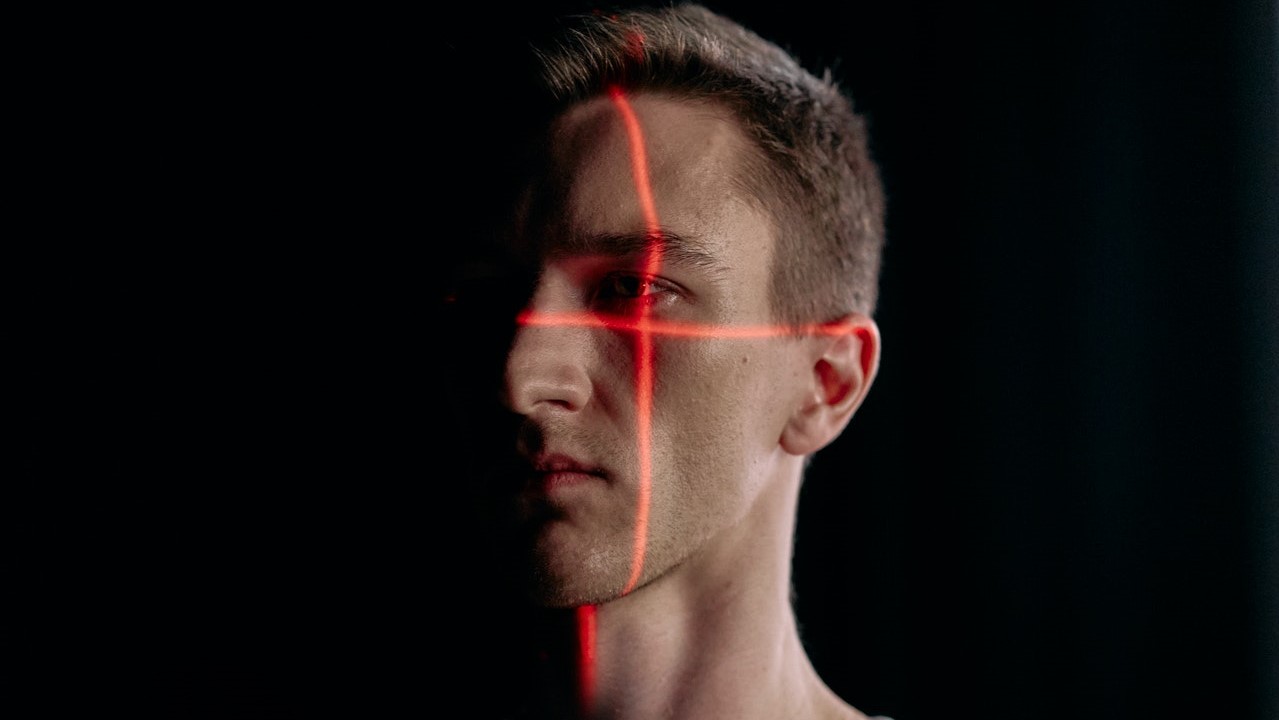
Increased Use of Facial Recognition Comes to Railways – What Next?
British Transport Police (BTP) has launched a six-month trial of Live Facial Recognition (LFR) technology at London Bridge station. The pilot marks a significant expansion of facial recognition policing within the UK transport network — and may signal wider adoption across the country.
While police describe the technology as a tool to identify individuals wanted for serious offences, its rollout raises important legal and evidential questions. From a criminal defence perspective, understanding how LFR works — and how it may be challenged — is essential.
How Does Live Facial Recognition Work?
The system scans faces in real time within a designated zone and compares them against a watchlist of individuals sought for serious criminal matters. If the software generates a potential match, an officer reviews the alert before deciding whether to stop and question the individual.
According to BTP, images of people not matching the watchlist are deleted immediately and permanently. Alternative routes are said to be available for those who do not wish to pass through the recognition zone.
However, the technology does not itself make an arrest. It generates intelligence. The decision to intervene remains a human one.
A Wider National Trend?
The trial follows growing use of facial recognition by police forces across England and Wales. With the Metropolitan Police and other forces already deploying the technology at public events and in city centres, this railway pilot could represent the next phase of expansion.
Rail networks provide a controlled, high-footfall environment — making them an attractive testing ground for broader operational use.
If deemed successful, similar deployments could extend to major transport hubs across the UK.
Key Legal Concerns
Facial recognition remains controversial. Civil liberties groups have raised concerns about privacy, proportionality and accuracy. Courts have previously ruled that police use of facial recognition must comply strictly with data protection and human rights law.
From a defence perspective, issues often arise around:
- The accuracy and reliability of the match
- The composition and lawfulness of the watchlist
- Whether the stop was proportionate
- Data retention and deletion procedures
A facial recognition alert alone is not evidence of guilt. It is simply a prompt for further investigation.
Accuracy and Misidentification Risks
Although police maintain that safeguards are in place, no biometric system is infallible. False positives — where an innocent person is incorrectly matched — remain a recognised risk.
Where a stop and search or arrest flows from a mistaken identification, the legality of subsequent evidence can become a central issue in court proceedings.
What Criminal Defence Teams Look For
When a case involves facial recognition, defence solicitors will scrutinise:
- Whether the technology was lawfully authorised for that deployment
- How the watchlist was compiled
- The quality of the image capture
- Officer decision-making after the alert
- Whether any search or arrest complied with PACE requirements
If procedures were flawed, evidence obtained after an unlawful stop may be challenged.
Balancing Innovation and Rights
Police describe LFR as a way to make the railways “hostile” to serious offenders. Public safety is undoubtedly important. But so too is the protection of individual rights.
As facial recognition technology becomes more embedded in everyday policing, courts will increasingly be asked to assess how it is used and whether safeguards are robust enough.
If You Have Been Stopped Following Facial Recognition
Being stopped in a public transport setting can be distressing — particularly if it follows an automated alert.
If you have been arrested or charged after a facial recognition identification, early legal advice is crucial. Biometric evidence must be carefully examined, and procedural errors can significantly affect the outcome of a case.
As technology advances, so too must scrutiny. The expansion of live facial recognition across the UK is likely to continue — and ensuring that its use remains lawful and proportionate will be vital.
How We Can Help.
If you have any concerns regarding the use of facial recognition, it is important you seek legal advice at the earliest opportunity – call us now on 0161 477 1121 or email us.