
Massive Attack Musician Among 500 Arrested in Palestine Protest
Mass protest arrests from a criminal defence perspective on civil disruption
More than 500 people were arrested in central London following a large-scale protest linked to support for Palestine Action, a group currently subject to legal dispute over its status as a proscribed organisation. Among those detained was Massive Attack musician Robert Del Naja, highlighting the scale and visibility of the demonstration.
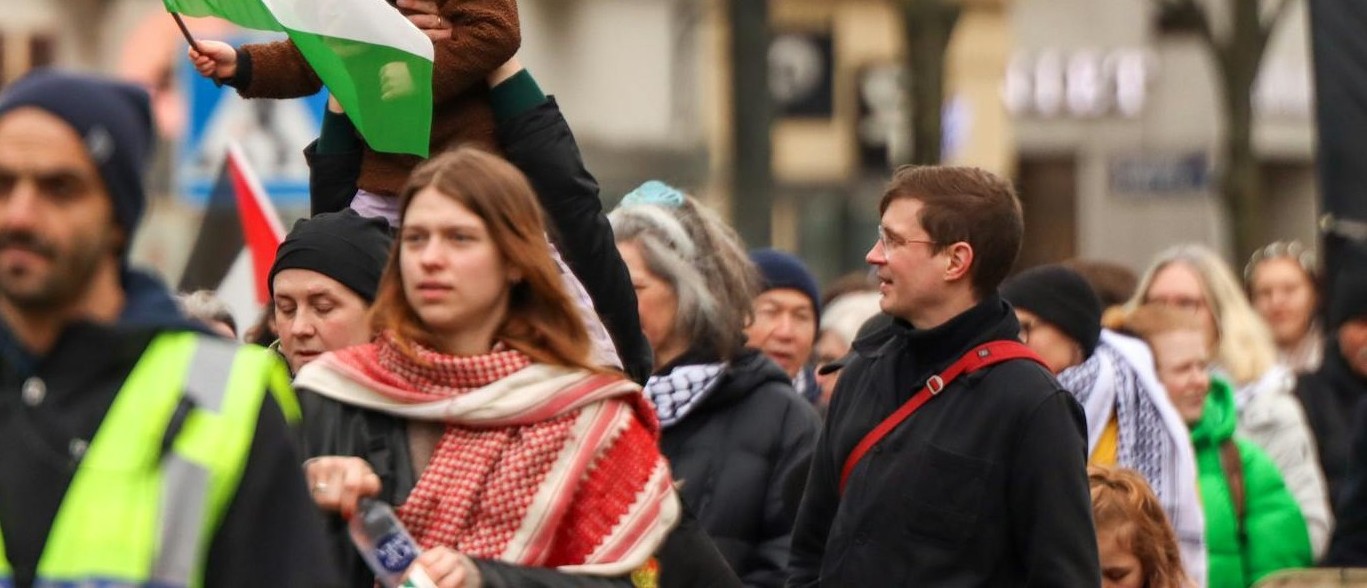
The protest, which took place in Trafalgar Square, involved hundreds of individuals, many of whom appeared willing to be arrested as part of a coordinated act of civil resistance. From a criminal defence perspective, the events raise important issues around protest law, civil disruption and the limits of lawful expression.
The legal framework for protest and proscribed organisations
The arrests were made on suspicion of supporting a proscribed organisation, an offence under the Terrorism Act 2000. Under this legislation, it is a criminal offence to express support for an organisation that has been formally banned by the government.
However, the legal position in this case is complicated by ongoing litigation. The High Court has previously ruled aspects of the ban unlawful, with further appeals expected. This creates a degree of uncertainty around enforcement and raises questions about how the law is being applied in practice.
For those arrested, the prosecution will need to establish that any expression of support met the legal threshold for the offence, including whether the conduct went beyond lawful protest or political expression.
Mass arrests and civil disruption
Large-scale protests involving hundreds of participants present significant operational and legal challenges. In this instance, many demonstrators reportedly sat peacefully while holding placards, while others were physically removed by police.
Such tactics are not new. There is a long history in the UK of civil disobedience, where individuals deliberately breach the law to draw attention to a cause. Similar approaches were seen during the 2011 riots, albeit in a very different context, where large gatherings and rapid mobilisation placed considerable strain on policing resources.
More recent protest movements have increasingly adopted strategies designed to overwhelm the system, including mass arrests and coordinated legal challenges.
Key offences arising from protest activity
Depending on the circumstances, individuals involved in protests may face a range of criminal allegations. In cases such as this, the primary offence relates to support for a proscribed organisation. However, other potential offences may include:
- public order offences, including causing harassment, alarm or distress;
- obstruction of the highway;
- breach of conditions imposed under public order legislation;
- failure to comply with police directions;
- conspiracy or encouragement, in cases involving coordinated action.
The specific charge will depend on the individual’s conduct and the evidence available.
Freedom of expression and legal limits
Protest activity engages fundamental rights under the European Convention on Human Rights, including the right to freedom of expression (Article 10) and freedom of assembly (Article 11).
However, these rights are not absolute. They may be restricted where necessary for public safety, the prevention of disorder or the protection of the rights of others.
From a defence perspective, a key issue is whether police action was proportionate and justified in the circumstances. Courts will often need to balance the right to protest against the need to enforce the law.
Criminal defence considerations
Cases arising from protests of this nature often involve complex legal arguments. Defence practitioners are likely to focus on several key areas.
First, whether the defendant’s actions genuinely amounted to support for a proscribed organisation, or whether they were engaged in lawful political expression. The wording of placards, statements and behaviour will be closely examined.
Secondly, the issue of intent is likely to be central. The prosecution must establish that the defendant knowingly expressed support in a manner that meets the legal threshold for the offence.
Thirdly, there may be challenges to the lawfulness of police action, including whether arrests were necessary and proportionate. In large-scale operations, the risk of blanket or indiscriminate enforcement can arise.
Finally, evidential issues may be significant. Cases may rely on body-worn footage, social media content and witness statements, all of which must be carefully scrutinised.
Wider implications for protest law
This case forms part of a broader trend in the policing of protest, where authorities are increasingly taking a more proactive approach to preventing disruption. At the same time, campaign groups argue that such measures risk restricting legitimate forms of protest.
The use of mass arrests as a tactic – both by police and protesters – raises questions about the capacity of the criminal justice system and the long-term impact on civil liberties.
For individuals, involvement in such protests can carry significant legal risks, even where the intention is to engage in peaceful demonstration.
Balancing enforcement and fairness
While the enforcement of laws relating to public order and national security is a legitimate function of policing, it is essential that such powers are exercised fairly and within the limits of the law.
Criminal defence solicitors play a crucial role in ensuring that individuals are not unfairly prosecuted and that their rights are protected throughout the process.
Each case must be assessed on its own facts, with careful consideration given to the nature of the conduct, the surrounding context and the applicable legal framework.
Future Consideration for Protest-related Crimes.
The arrests at this protest highlight the increasingly complex relationship between civil disruption, political expression and criminal law.
As legal challenges to the status of organisations continue and protest tactics evolve, courts will be required to navigate difficult questions about the limits of lawful protest and the scope of criminal liability.
For those facing allegations arising from such events, specialist legal advice is essential to ensure that their rights are protected and that justice is properly served.
How We Can Help.
If you have any questions regarding this article or require any legal representation regarding public order offences or organised crime then don’t hesitate to call us now on 0161 477 1121 or email us.