
Police Calls to Extend Use of Facial Recognition Technology
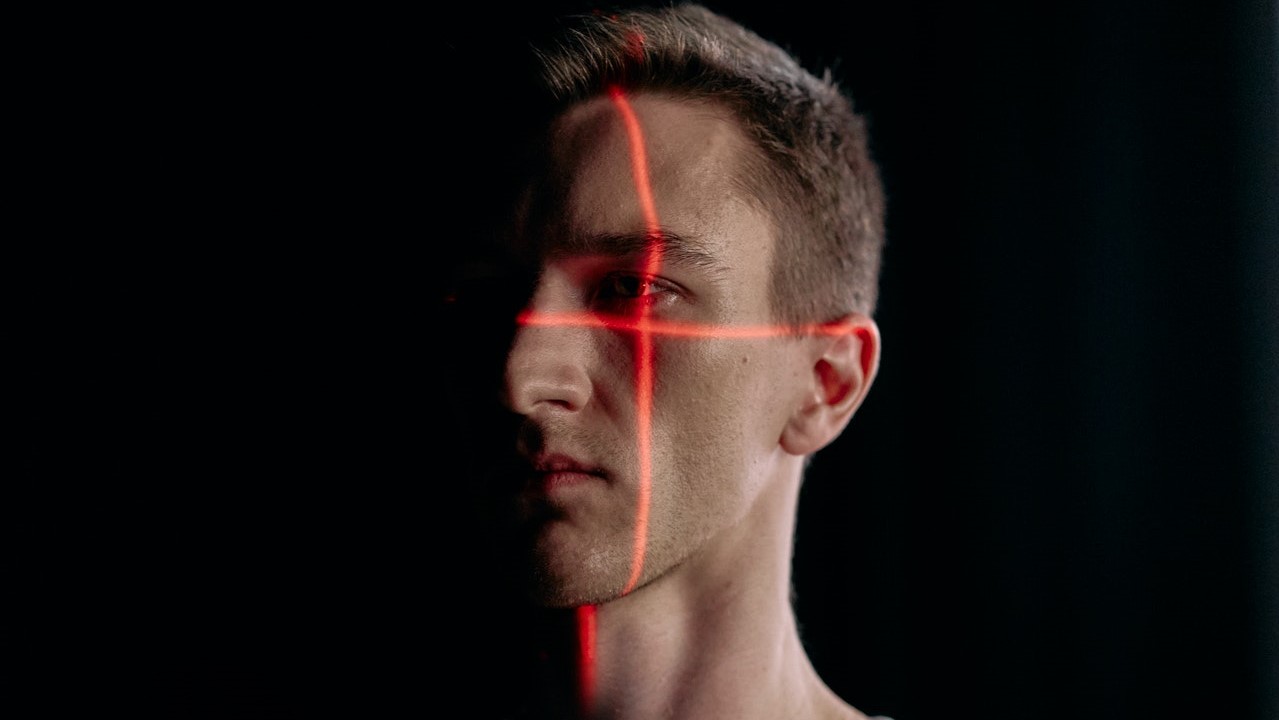
Facial Recognition Expansion: What the New Proposals Could Mean for Defendants and Police Powers
The Home Office has launched a 10 week public consultation on expanding the use of facial recognition technology across all police forces in the UK.
While the government argues that wider deployment will help to identify offenders and locate vulnerable people, the proposals also raise significant concerns about privacy, accuracy, and the potential impact on criminal investigations and wrongful arrests.
Since 2017, eight police forces in England and Wales have used a mixture of retrospective searches, live facial recognition cameras and mobile identity checking apps.
Under the new plans, these tools could be used far more frequently, including for locating immigration absconders and identifying prisoners released in error.
What the Proposals Involve
The consultation could lead to new legislation governing when and how police use facial recognition.
A key proposal is the creation of an independent regulator overseeing biometrics and facial recognition, alongside clearer statutory rules designed to give forces greater “confidence” to use the technology at scale.
The government says deployments would be time limited and intelligence led.
However, it has not yet specified which new situations facial recognition might be introduced into, leaving open the possibility of use in public spaces far beyond current practice.
Concerns About Accuracy and Discrimination
Civil liberties groups and academics continue to warn that the technology carries inherent risks.
A review published by the Association of Police and Crime Commissioners found that retrospective facial recognition has in built bias, with a higher likelihood of incorrect matches among Black and Asian individuals.
Rights organisations also argue that current deployments lack adequate safeguards.
With the government investing millions into facial recognition systems and a new national facial matching database due to be tested in 2026, concerns about mass surveillance and human rights implications are growing.
Implications for Criminal Defence
For those facing criminal investigation, the wider roll out of facial recognition could have real consequences. Defence practitioners will need to be alert to issues such as:
- The risk of false matches leading to wrongful arrests.
- Challenges around disclosure and the expert evidence needed to question technological reliability.
- The legality of deployments and whether police complied with policy and proportionality requirements.
- Potential breaches of privacy rights under the Human Rights Act.
Where a prosecution relies on facial recognition, the defence may need to scrutinise technical data, accuracy rates, watch list composition, officer training and procedural compliance.
Misidentification claims are likely to remain a key area of challenge, particularly for clients from minority ethnic backgrounds, who evidence shows are more likely to be incorrectly flagged.
Public Reaction and Ongoing Debate
Young people interviewed by the BBC expressed mixed views.
Some welcomed the idea of using technology to deter shoplifting or locate suspects, while others worried about intrusive policing and constant observation in everyday life.
Campaigners argue the UK is moving too quickly towards normalising surveillance without first demonstrating necessity and proportionality.
Police leaders, meanwhile, emphasise that public trust is central to the future of the technology and say strict oversight already exists.
Rights groups disagree, calling for temporary suspension of live facial recognition until stronger safeguards are introduced.
Looking Ahead
Any legislative changes arising from the consultation could take around two years to pass through Parliament.
If enacted, they would shape the next generation of policing powers, affecting not only England and Wales but also certain powers in Scotland and Northern Ireland.
For now, anyone facing investigation involving facial recognition evidence should seek specialist legal advice at the earliest stage.
As the technology becomes more embedded in policing, its use must be carefully scrutinised to ensure fairness, accuracy and the protection of fundamental rights.
How We Can Help.
If you have any questions regarding the use of facial recognition – or any other aspects of legal representation – call us now on 0161 477 1121 or email us.