
Retail Gang Disorder – How It Spreads & Warning For Those Taking Part
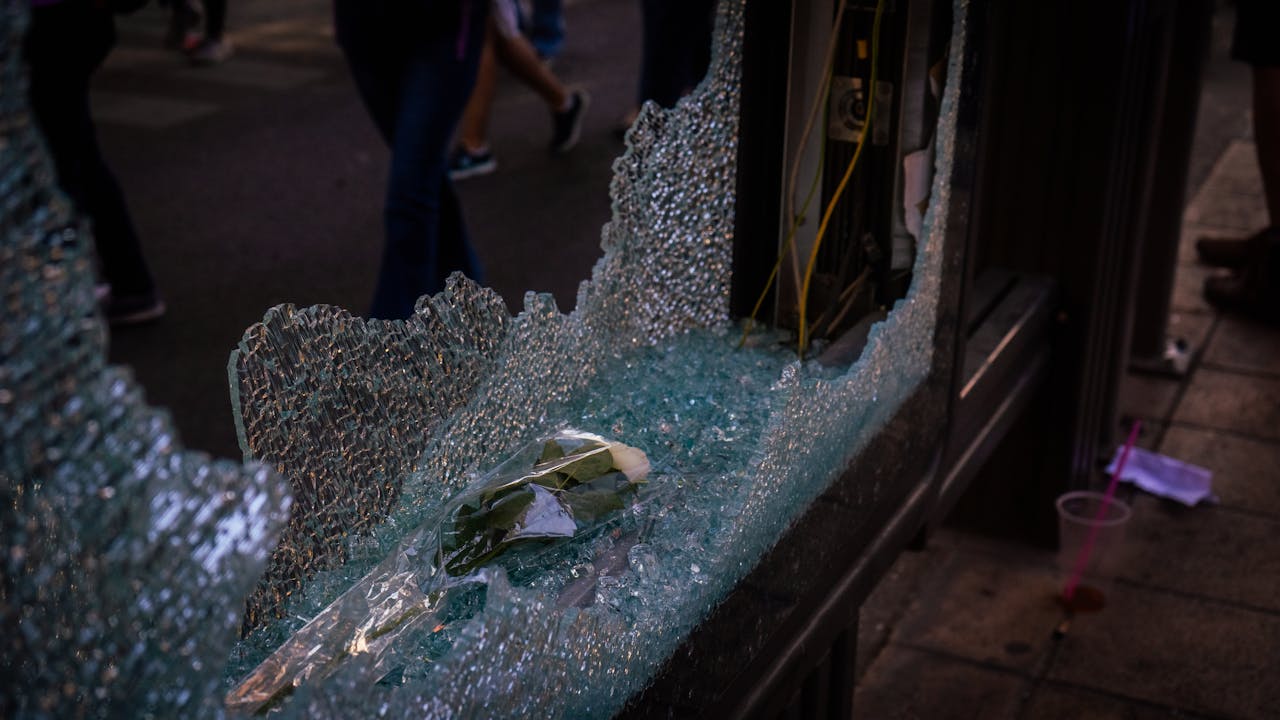
Calls For Stronger Action & Greater Protection For Retail Workers and Victims of Gangs
Recent incidents involving disorder and large-scale shoplifting at retail premises, including Marks & Spencer stores, have prompted renewed calls for stronger action on crime and the protection of shop workers.
Reports of groups gathering, entering stores en masse and engaging in theft and violence have raised concerns not only about public safety, but also about how such behaviour can spread rapidly through social media trends.
From a criminal defence perspective, these developments highlight important issues around group offending, the influence of online platforms, and the potential consequences for individuals who become involved – sometimes with little appreciation of the legal risks.
The role of social media in disorder
Police have indicated that some recent incidents, including those in London and elsewhere, have been “fuelled virally”. Social media platforms can help raise awareness of disorder, whilst enabling large groups to organise quickly, share locations and encourage participation in disruptive or unlawful behaviour.
This is not a new phenomenon.
During the 2011 UK riots, social media and messaging platforms were widely used to coordinate activity, contributing to the rapid escalation of disorder across multiple cities.
What distinguishes more recent incidents is the speed at which content can spread and the way in which behaviour can be normalised or even encouraged through viral posts.
Acts such as shoplifting, property damage or confrontations with security staff may be portrayed as entertainment or low-risk, particularly among younger users.
However, the legal consequences of participating in such activity can be serious and long-lasting.
Offences arising from retail disorder
Incidents involving groups entering shops and engaging in disorderly behaviour can give rise to a wide range of criminal offences, depending on the circumstances.
These may include:
- theft under the Theft Act 1968;
- assault or assault on emergency workers;
- criminal damage to property;
- public order offences, including violent disorder;
- burglary, in cases involving forced entry;
- conspiracy, where there is evidence of prior planning.
In more serious cases, particularly where violence is involved or significant damage is caused, offences such as violent disorder can carry substantial custodial sentences.
Joint enterprise and group liability
One of the most important legal considerations in these cases is the principle of joint enterprise. Individuals may be held criminally liable not only for their own actions, but also for offences committed by others within a group, if it can be shown that they shared a common purpose or foresaw the offending.
This means that someone who did not personally use violence or commit theft may still face serious charges if they were part of a group engaged in criminal activity.
From a defence perspective, this raises critical issues around intent, knowledge and participation. Establishing the extent of an individual’s involvement – and whether they genuinely shared any criminal purpose – is often central to the case.
The impact of “online encouragement”
Social media content can also form part of the evidence in criminal proceedings. Messages, posts, videos or group chats may be relied upon by the prosecution to demonstrate planning, encouragement or intent.
For example, individuals who share locations, encourage others to attend or promote unlawful behaviour online may face allegations of involvement in a wider conspiracy or encouragement of criminal activity.
However, from a defence perspective, such material must be carefully scrutinised. Online content may be ambiguous, exaggerated or taken out of context. The line between casual communication and genuine criminal intent is not always clear.
Issues of attribution (who posted the content), context (what was actually meant), and reliability are often central to these cases.
Young people and criminal liability
Many recent incidents have involved teenagers or young adults. While age may be a relevant factor in sentencing, it does not prevent criminal liability.
Young people may be particularly vulnerable to the influence of social media trends, peer pressure and a perception that participation in such events carries little risk. In reality, involvement in disorder can lead to arrest, prosecution and, in serious cases, custody.
From a defence perspective, factors such as immaturity, lack of foresight and susceptibility to influence may be relevant in mitigation.
Courts may also consider whether a defendant was drawn into events without fully understanding the consequences.
Evidence and identification
Cases arising from large-scale disorder often rely on a combination of evidence, including CCTV, body-worn police footage and social media content. Identification can become a key issue, particularly where large groups are involved.
Defence teams may challenge the reliability of identification evidence, the quality of footage and whether the prosecution can prove beyond reasonable doubt that a defendant was involved in specific acts.
In addition, the use of digital evidence raises broader issues around disclosure and the interpretation of online material.
Balancing enforcement and fairness
Retailers and government representatives have called for stronger enforcement to address what is described as increasingly organised and aggressive retail crime. There is also a clear focus on protecting shop workers from abuse and violence.
While these aims are legitimate, it remains essential that enforcement action is carried out fairly and proportionately. Individuals should only be held accountable for offences that can be properly proven, and not simply by association with a group or presence at a location.
Criminal defence practitioners play a key role in ensuring that the rights of defendants are protected, that evidence is properly tested, and that the legal thresholds for conviction are met.
Conclusion
The recent incidents involving retail disorder highlight how quickly behaviour can escalate when amplified by social media. What may begin as an online trend can result in serious criminal consequences for those involved.
For individuals, particularly young people, the risks of participation should not be underestimated. For the criminal justice system, the challenge lies in responding effectively while maintaining fairness and due process.
As these cases continue to emerge, the interaction between online behaviour and real-world criminal liability will remain an increasingly important area for both prosecution and defence.
How We Can Help.
If you have any questions regarding this article or require any legal representation regarding public disorder then don’t hesitate to call us now on 0161 477 1121 or email us.