
YouGov Poll Reveals Startling Public Opinion on Policing in England and Wales
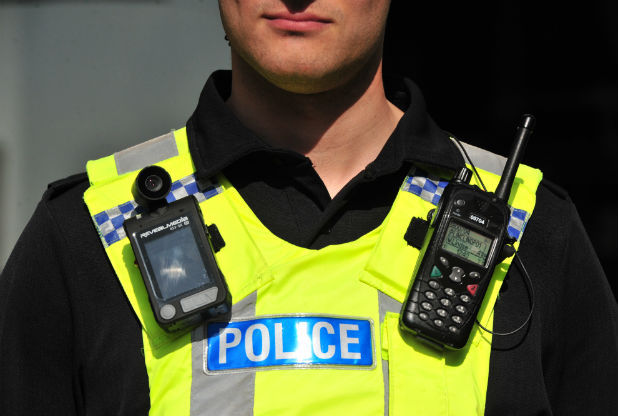
Public Perception of Criminal Justice System Highlights Trust Issues.
A recent YouGov survey examining public attitudes towards policing and the criminal justice system in England and Wales paints a concerning picture: confidence in law enforcement and the wider system appears to be declining across multiple areas.
The findings highlight dissatisfaction not only among the general public, but also among victims of crime and even police officers themselves.
From a criminal defence perspective, these trends raise important questions about trust in the system, reporting behaviour, and the perceived fairness of investigations and prosecutions.
Declining confidence in the criminal justice system
One of the most striking findings is the apparent lack of public confidence in the ability of the criminal justice system to function effectively. A majority of adults surveyed reported little to no faith in the system’s ability to:
• reform offenders;
• properly investigate minor crimes;
• impose appropriate sentences;
• and even keep offenders in custody where required.
This broad lack of confidence reflects a perception that the system is struggling at multiple stages – from investigation through to sentencing and post-conviction management.
For criminal defence practitioners, this erosion of trust can have practical consequences. It may influence how defendants perceive the process, their willingness to engage with investigations, and their expectations of fairness in court proceedings.
Public perception of policing
The survey suggests that public opinion of policing itself is also deteriorating. Many respondents believe that police are doing a poor job overall and express limited confidence in their local force. This sentiment appears particularly pronounced in urban areas such as London, the West Midlands and Greater Manchester.
At the same time, there is a strong perception that crime is increasing. Large majorities of respondents believe that offences such as online fraud, violent crime and burglary are on the rise.
While perceptions do not always align perfectly with recorded crime statistics, they can shape public expectations and political pressure, which in turn may influence policing priorities and enforcement strategies.
Victim dissatisfaction and underreporting
The findings also highlight significant dissatisfaction among victims of crime. Of those who reported an incident to the police, 56% said they were dissatisfied with how their case was handled.
Perhaps more concerning is the level of underreporting. Around 35% of victims said they did not report the incident at all, rising to 57% in cases of fraud.
From a criminal defence perspective, underreporting can have complex implications. On one hand, it may suggest that official crime figures underestimate the true scale of offending. On the other, it may also impact the availability and reliability of evidence, particularly in cases where allegations are reported late or not at all.
Delayed reporting can create evidential challenges, including difficulties in corroboration, loss of forensic evidence and inconsistencies in witness accounts – all of which may become central issues in criminal proceedings.
Views from within policing
The survey also provides insight into the views of police officers and staff themselves. Notably, 54% of officers believe that senior leadership within their force is doing a poor job, while only a small proportion feel supported by the government.
These findings may reflect broader concerns about resourcing, workload and organisational culture within policing. For defence practitioners, such issues may be relevant when considering the quality and consistency of investigations, particularly in complex or high-volume cases.
The survey also touches on internal cultural issues within policing. While only a minority of staff believe racism is a significant problem, a substantial proportion of female officers reported concerns about misogyny and experiences of sexism in the workplace.
Although these issues are primarily internal, they may still be relevant in certain cases, particularly where questions arise about professional conduct, bias or the handling of complaints.
Use of force and accountability
One particularly notable finding is that a large majority of police officers believe it is too easy for firearms officers who kill someone in the line of duty to face criminal charges.
This highlights an ongoing tension between police accountability and the operational realities of policing. From a criminal defence standpoint, the issue underscores the importance of maintaining independent scrutiny of the use of force while ensuring that legal standards are applied fairly and consistently.
Cases involving police use of force are often highly complex, involving detailed analysis of evidence, expert testimony and the application of legal tests such as reasonableness and necessity.
Implications for criminal defence
Overall, the YouGov findings point to a system under pressure, with declining confidence among the public, dissatisfaction among victims and concerns within policing itself.
For criminal defence practitioners, these trends reinforce several key considerations.
First, maintaining fairness and due process remains essential, particularly in a climate where public confidence is fragile. Defence lawyers play a vital role in ensuring that investigations are conducted lawfully and that defendants receive a fair trial.
Second, evidential issues may become increasingly significant, particularly in cases affected by underreporting or delayed complaints. Careful scrutiny of evidence, disclosure and investigative procedures will remain central to effective defence.
Finally, broader perceptions of policing and the justice system may influence juries, witnesses and defendants themselves. Understanding these dynamics can be important when advising clients and preparing cases.
A system under scrutiny
The YouGov survey offers a snapshot of public and professional opinion at a time when the criminal justice system faces significant challenges. While perceptions do not always reflect the full reality, they nevertheless shape how the system is viewed and experienced.
As debates around policing, accountability and reform continue, ensuring that the criminal justice process remains fair, transparent and robust will be critical to maintaining public confidence in the rule of law.
How We Can Help.
If you have any questions regarding the information in this article or require any legal representation, don’t hesitate to call us now on 0161 477 1121 or email us.