
Frontline Policing Under Pressure: What Fewer Officers on the Streets Means for Criminal Justice
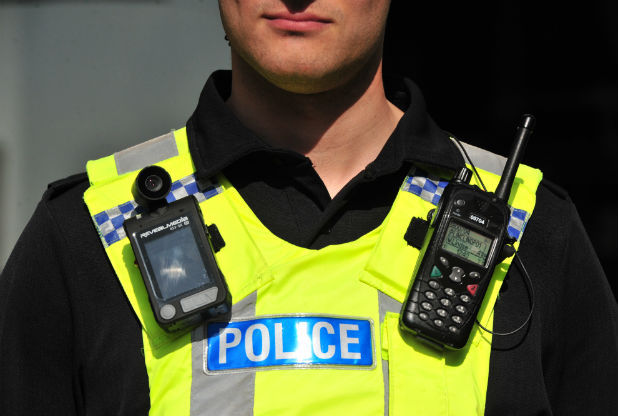
Crime Going Unpunished As Concerns Raise Over Lack of Frontline Officers.
Government sources have warned that crime is increasingly going unpunished, amid concerns that too many police officers are being diverted away from frontline duties and into back-office roles.
The comments follow new figures showing a significant rise in the number of trained officers working in administrative positions, while visible neighbourhood policing has continued to decline.
Officers Moved Off the Beat
Data shared by the :contentReference[oaicite:0]{index=0} indicates that more than 12,600 uniformed police officers are now working in roles such as HR, IT and internal support. This represents a 40% increase over the past six years.
At the same time, the number of frontline officers has fallen to around 67,000, down from over 70,000 a decade ago. Government sources argue that this shift has contributed to a perception that crime is not being dealt with effectively, particularly in town and city centres.
Impact on Communities and Crime Detection
Internal polling suggests shoplifting and anti-social behaviour are now the crimes the public worry about most, alongside drug-related offending and knife crime.
Shop theft has risen sharply over the past decade, yet fewer than one in five reported incidents currently result in a charge. From a criminal justice perspective, this reflects not only enforcement challenges but also the strain placed on investigation teams, evidence gathering and case preparation.
The Risk of Over-Policing and Under-Policing
While the government has acknowledged that visible policing has declined, the response has been to promise increased neighbourhood officer numbers and reform funding structures that are said to incentivise desk-based roles.
However, from a defence standpoint, swings in policing strategy often have unintended consequences. Periods of low visibility can be followed by intensive enforcement campaigns, leading to:
- Higher arrest rates for lower-level offences
- Greater use of stop and search powers
- Increased reliance on summary justice and out-of-court disposals
These shifts can disproportionately affect young people, those involved in the night-time economy, and individuals already known to police.
Policing Reform and Accountability
The issue has been raised alongside wider calls for structural reform by the Metropolitan Police Commissioner, :contentReference[oaicite:1]{index=1}, who has described the current policing model as outdated and overly bureaucratic.
Any move to reduce bureaucracy and return officers to the frontline may improve visibility, but it must also be matched by proper training, supervision and accountability. Without this, there is a risk of rushed investigations, procedural errors and unlawful arrests.
What This Means for Defendants
For those facing criminal allegations, reduced frontline policing does not necessarily mean reduced enforcement. Instead, it often leads to more reactive policing, with arrests made in response to incidents rather than long-term prevention.
Defence solicitors are frequently required to scrutinise whether investigations have been properly resourced, whether officers were adequately trained for the roles they were performing, and whether procedural safeguards were followed.
Striking a Balance Is The Key
The debate over policing numbers is not simply about visibility, but about how resources are used across the criminal justice system.
While communities understandably want to see officers on the streets, effective policing must balance prevention, enforcement and fairness.
How We Can Help.
If you have any questions or concerns regarding this article or any other aspects of criminal defence – call us now on 0161 477 1121 or email us.