
Public Order Offence Sentencing Guidelines
There are to be a series of new Public Order Offence Sentencing Guidelines that come in to force for adults sentenced on or after 1 January 2020. What are the changes proposed?

There are to be a series of new Public Order Offence Sentencing Guidelines that come in to force for adults sentenced on or after 1 January 2020. What are the changes proposed?
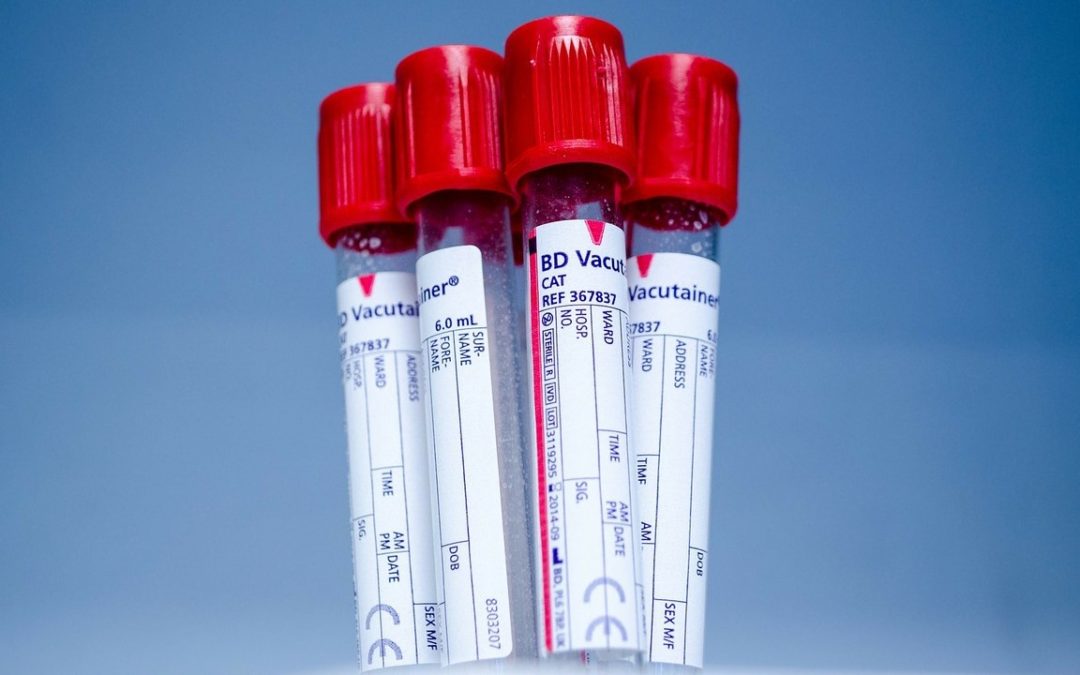
In some cases, the police need to take either a blood or urine sample from a driver suspected of driving under the influence of drink or drugs. In almost all instances, the police opt for a blood sample. Part of the procedure is informing the suspect that they can if they wish request part of the sample for independent testing. So why do so few suspects take this option up?

The Sentencing Council is consulting on a new guideline for some of the most commonly prosecuted firearms offences. At the moment, guidance is to be found only in case law, and this can lead to a challenging sentencing exercise.

The topic of Diplomatic Immunity has been in the news this week. The UK Foreign Secretary is requesting the wife of a US diplomat be returned to the UK to face a criminal investigation into the death of a 19 year old here in the UK. She has claimed Diplomatic Immunity, and so far, the US Government has refused for the immunity to be waived. So what is Diplomatic Immunity – and how does it work?

The Conservative Party Conference has seen calls being met for the Government to get tough on sentencing for violent and sexual crimes. This article looks at what these changes will mean moving forward and for existing offenders in the system.
The EU has published a report, ‘Rights in practice: access to a lawyer and procedural rights in criminal and European arrest warrant proceedings’, that details the extent to which fundamental human rights, in the context of criminal justice, are upheld across the EU. So what are your rights – and are they fully exercised?